Two Wines, the Etruscans and a Little Aretha Franklin.
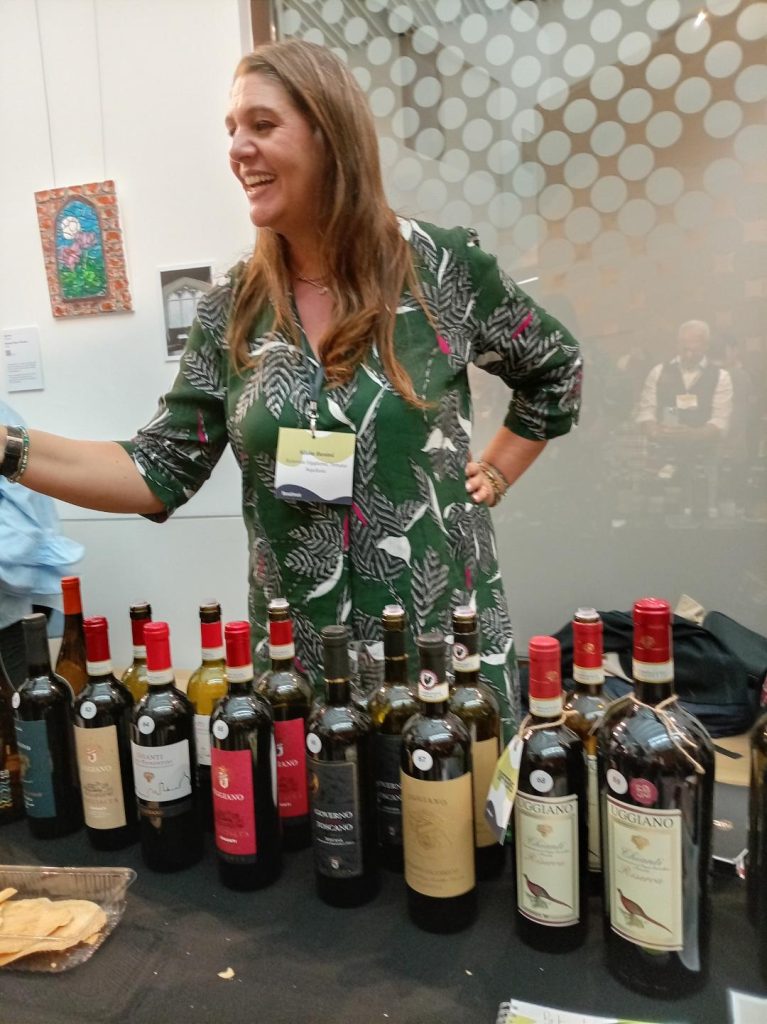
Silvia Benini / Export Manager
There are occasions in the pursuit of wine when a perfectly ordinary question opens a door to somewhere rather less ordinary, and before one has had time to consider whether one ought to enter, one finds oneself wandering amongst ancient civilisations, forgotten vineyards and musicians one had not expected to encounter anywhere near Tuscany.
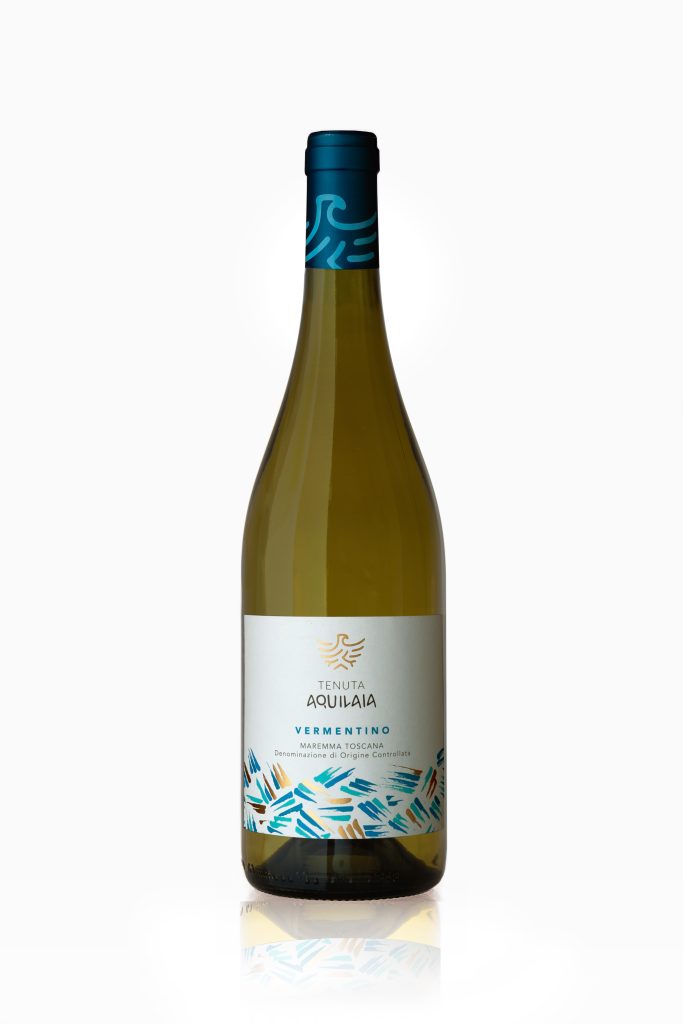
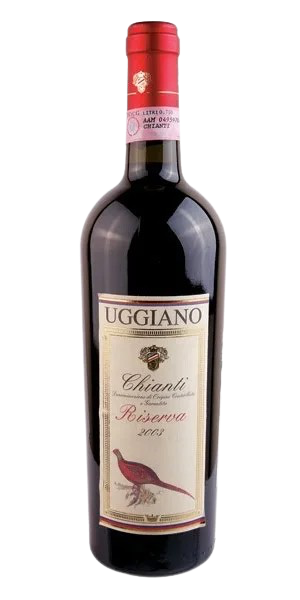
Such was my conversation with Silvia Beninia, Export Manager for the Tuscan Estates, and particularly Tenuta Aquilaia. I had asked her a simple question: Which wines are you most proud to represent? Among her choices were two wines which, although born in the same broad Tuscan kingdom, seemed to possess entirely different temperaments: the 2025 Vermentino Maremma DOC from Tenuta Aquilaia, and the 2022 Chianti Riserva Uggiano Fabiano DOCG.
The Vermentino arrived like a traveller from the coast, carrying with it the scents of white flowers, peach, citrus and herbs, but beneath its agreeable appearance there was something more intriguing — a saline, mineral character which seemed to suggest that somewhere beyond the vineyards the Mediterranean was waiting impatiently to be noticed. It was fresh without being nervous, aromatic without becoming theatrical and possessed of the sort of effortless charm which makes one suspicious that considerably more work has gone into appearing effortless than the wine would care to admit.
I asked Silvia if the wine was a musician, who would it be, she answered Harry Styles. I must confess that I have never heard Harry Styles, which perhaps places me among the less qualified judges of the comparison. Nevertheless, I understood what she meant. There was something youthful, accessible and quietly charismatic about the wine. It did not demand attention. It simply seemed to assume that attention would eventually arrive
Vermentino
Chianti Reserva
Sangiovese and the Etruscans.
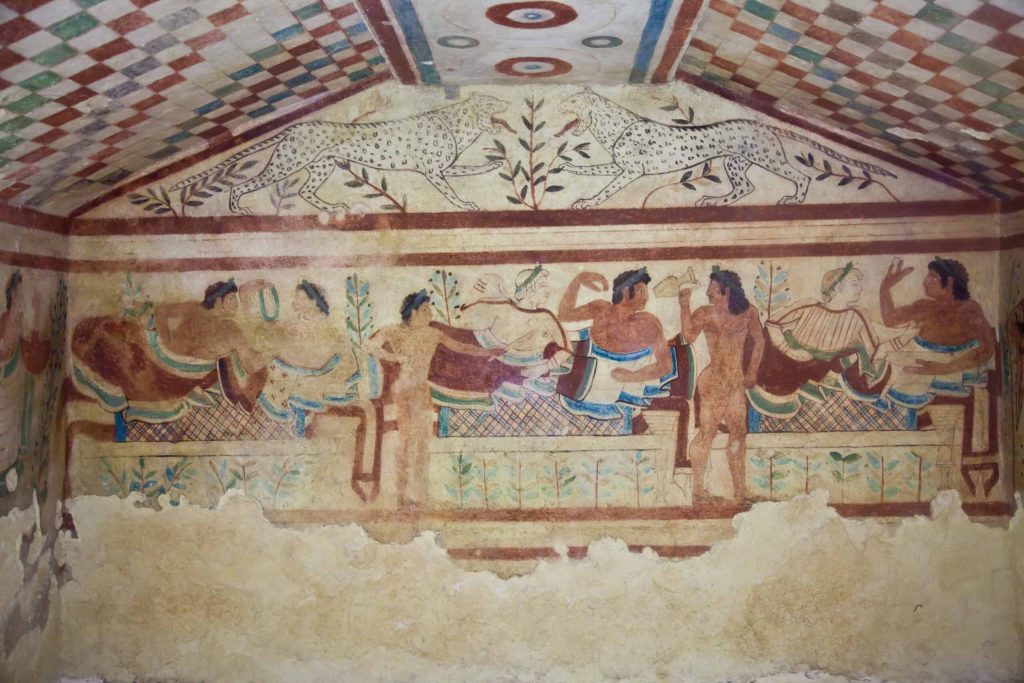
The Chianti Riserva, however, was a different creature altogether. Where the Vermentino seemed to look towards the sea and the sunlight, the Sangiovese appeared to look backwards through the centuries. Silvia spoke of Sangiovese and the Etruscans with such familiarity that one could almost imagine that she had been expecting them to turn up at any moment. The Etruscans were among the great early civilisations of central Italy, flourishing in what is now Tuscany long before the Roman Empire came to dominate the peninsula. They cultivated vines, made wine and left behind a remarkable agricultural and cultural legacy.
Whether the wine they drank was Sangiovese in anything resembling its modern form is far less certain, but Silvia’s fascination with the connection was infectious. Perhaps it was not the historical certainty that mattered. Perhaps it was the idea that the same hills which have been cultivated for thousands of years continue to produce wine today. And then came the Chianti. Dark cherry, cocoa, spice and savoury earth appeared first, followed by the more serious business of tannin and structure.
The fruit was ripe but not frivolous; the wine seemed to possess the patience of somebody who had already lived through several arguments and had no intention of becoming involved in another. It had weight without heaviness, authority without arrogance, and a finish which lingered rather like a conversation one wasn’t quite ready to end.
I asked Silvia the musical question again. This time there was no hesitation.
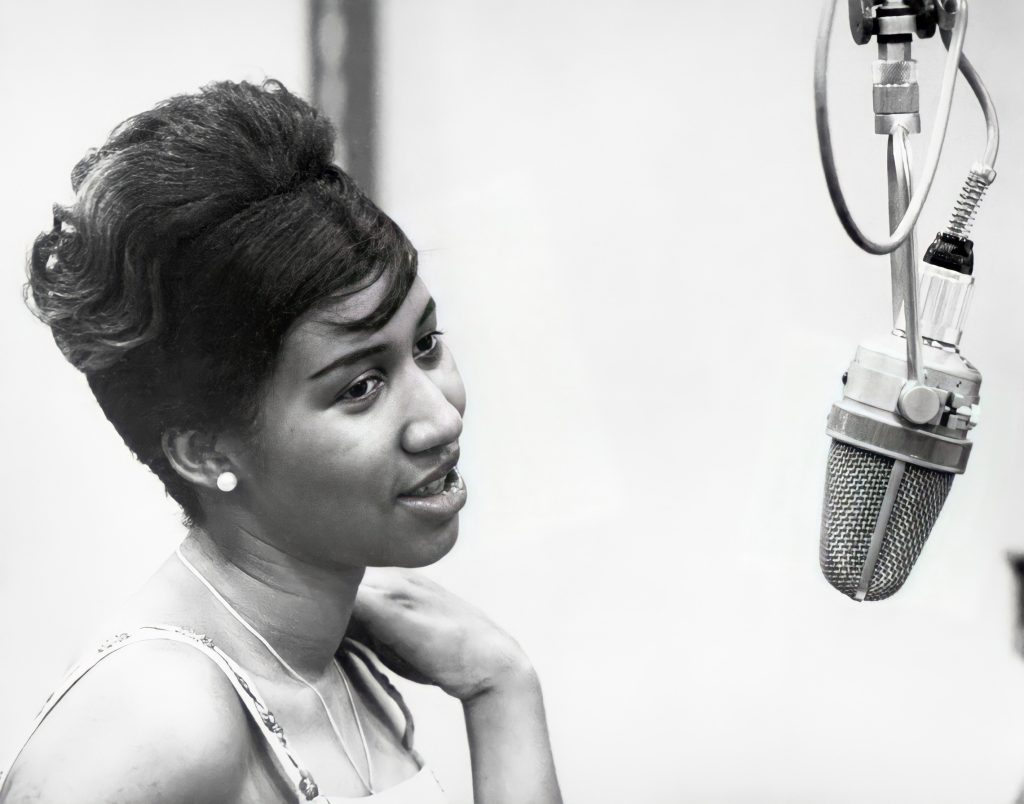
Aretha Franklin. Something with soul she exclaimed with vim. And suddenly the comparison seemed perfectly reasonable. The Vermentino was the young traveller, bright-eyed and sunlit, while the Chianti was the seasoned storyteller, carrying with it the weight of experience. What interested me most, however, was the philosophy behind the wines.Silvia spoke about sustainability and dry farming, an approach which asks the vines to rely principally upon the natural water available to them rather than being routinely supplied by irrigation. There is something rather appealing about this idea. The vine must search. Its roots must work their way into the soil. It must negotiate with the climate rather than simply being protected from it. In an age when sustainability can sometimes become little more than a word printed on a brochure, dry farming feels refreshingly tangible: a decision to allow the vineyard to work with the place it inhabits rather than attempting to remake that place entirely. And perhaps this is why Silvia’s thoughts kept returning to the Etruscans. Because Tuscany, for all its modern wines and modern ambitions, is still a landscape with an extraordinarily long memory. The Etruscans disappeared. The Romans came. Empires rose and vanished. Generations of farmers followed one another across the same hills. And still the vines remain. I left Silvia with two wines in my notebook, a rather greater curiosity about the Etruscans, and the peculiar knowledge that somewhere in Tuscany Harry Styles and Aretha Franklin had apparently found themselves cast as unlikely ambassadors for Vermentino and Sangiovese.The Vermentino had taken me towards the sea. The Chianti had taken me backwards through time. And once again I found myself reminded that the most interesting wines are rarely interesting simply because of what is in the bottle.
It is the person, the place and the story surrounding it that gives the wine somewhere to go.