Of Xarel·lo, Cow Horns, Yellow Flowers and the Curious Wisdom of Parés Baltà Wines.
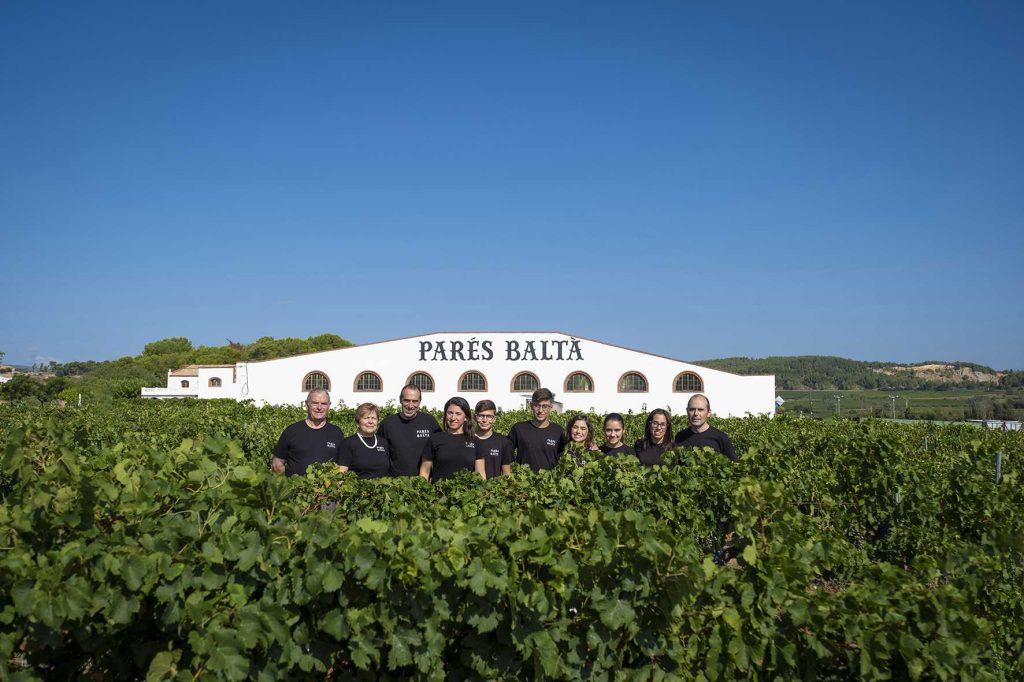
Penedès,Catalonia,Spain.
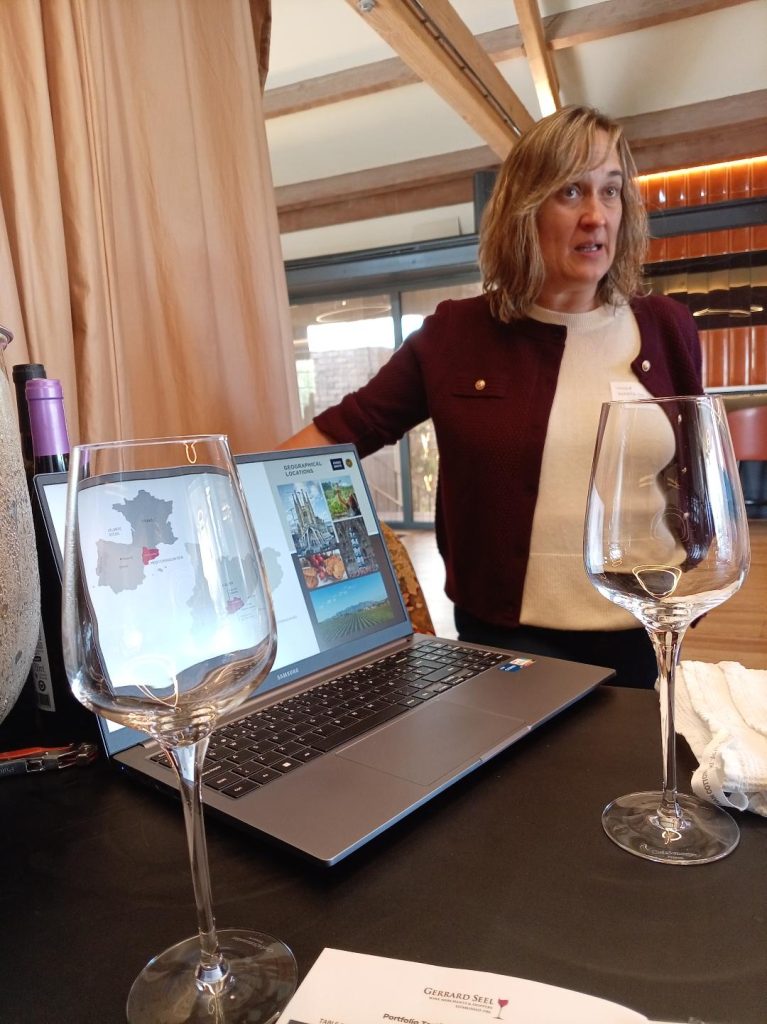
It is a curious thing about wine that a man may arrive at a tasting intending to concern himself with the contents of a glass and depart having been introduced to matters which no sensible person would ordinarily associate with the cultivation of grapes: cow horns buried beneath the earth, quartz crystals reduced to fragments, wild flowers of a singular colour, and a creature’s head immersed in a river at the summit of a mountain. Such was my experience when, at a Gerard Seel wine tasting, I met Marta Delfa of Parés Baltà, who had come to introduce the wines of the celebrated Catalan estate.
Parés Baltà is a family winery in the Penedès, in Catalonia, whose history reaches back to 1790. Its vineyards are cultivated organically and biodynamically, and the estate has become particularly associated with the exploration of its vineyards, indigenous varieties and the peculiar relationship between the vine, the soil and the wider living world in which the plant finds itself. It is a winery whose wines are not merely made, but apparently contemplated, questioned and, on occasion, subjected to practices which might cause the uninitiated to wonder whether they had wandered into a vineyard or an agricultural chapter of some unfinished alchemical manuscript. Marfa spoke with the assurance of someone who knew both the wines and the people who made them, and as she introduced her array of bottles, the conversation naturally found its way to Xarel·lo, the ancient white grape of the Penedès and one of the principal varieties associated with Cava.Xarel·lo is not a grape which announces itself with the theatrical confidence of certain better-known varieties. It has, rather, the temperament of an old inhabitant who has been sitting quietly in the same village for several centuries and sees no reason to explain himself to passing tourists.
Yet in the making of Cava it is of considerable importance, and it was this grape, rather than any exotic novelty, that became one of the threads by which our conversation was drawn deeper into the world of Parés Baltà.
twelve hundred cow horns in one hole seemed to me to represent a substantial departure from ordinary viticultural conversation.
Biodynamics.
Soon enough, as happens when one asks a winemaker a question and receives an answer sufficiently interesting to demand another question, the discussion turned towards biodynamics.I asked Marta what she considered the most peculiar biodynamic practice to which the winemakers adhered.She answered with such matter-of-factness that I was almost disappointed that she had not first paused to prepare me.
The practice involved immersing and keeping a lamb’s head in a river at the top of a mountain.There are moments in conversation when one must decide whether the appropriate response is to ask for clarification or simply to accept that the world contains things one had not previously considered.
I chose clarification.And this, as it turned out, was only the beginning.Second among the curiosities was the burying of 1,200 cow horns in a single hole.
Now, I have attended enough wine tastings to know that the discussion may occasionally stray into subjects which are not strictly connected to fermentation. I have heard arguments about soil, lunar cycles, weather, yeast and the moral character of oak.But twelve hundred cow horns in one hole seemed to me to represent a substantial departure from ordinary viticultural conversation..
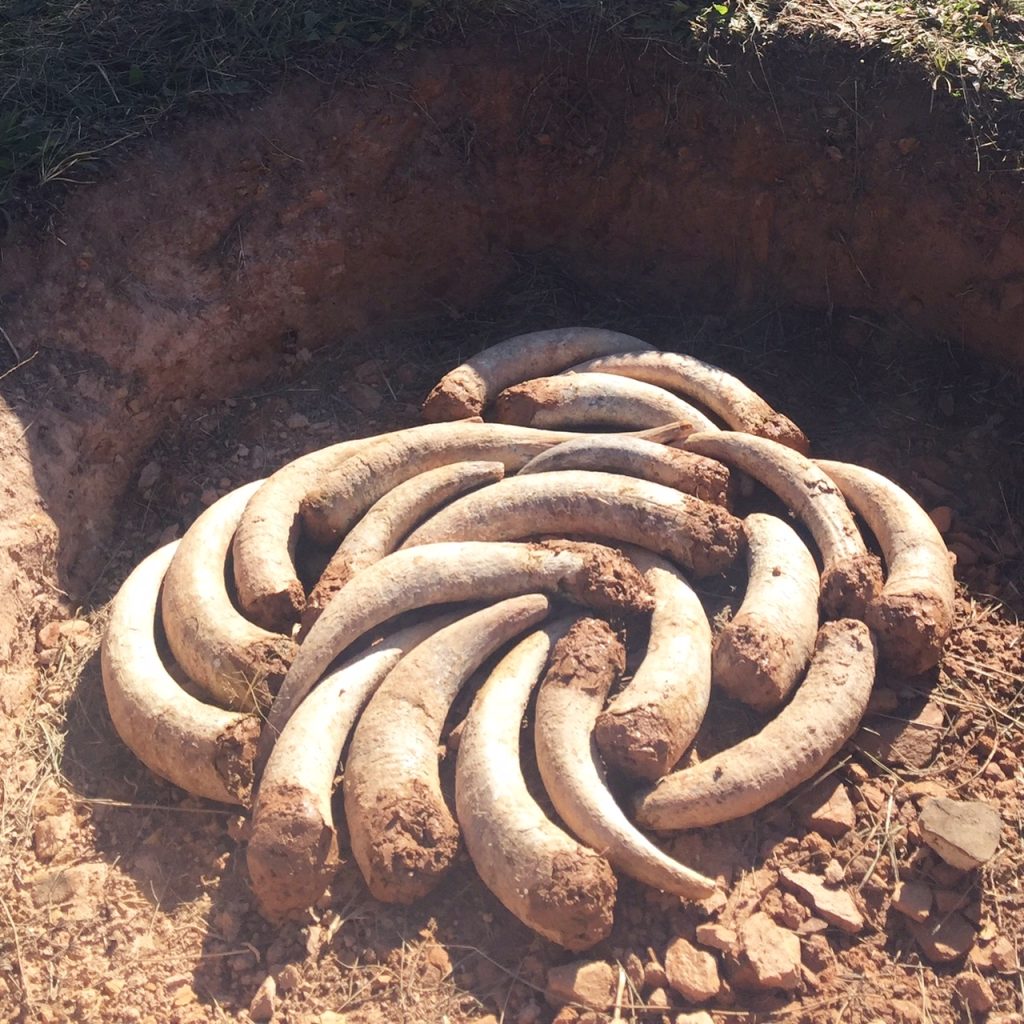
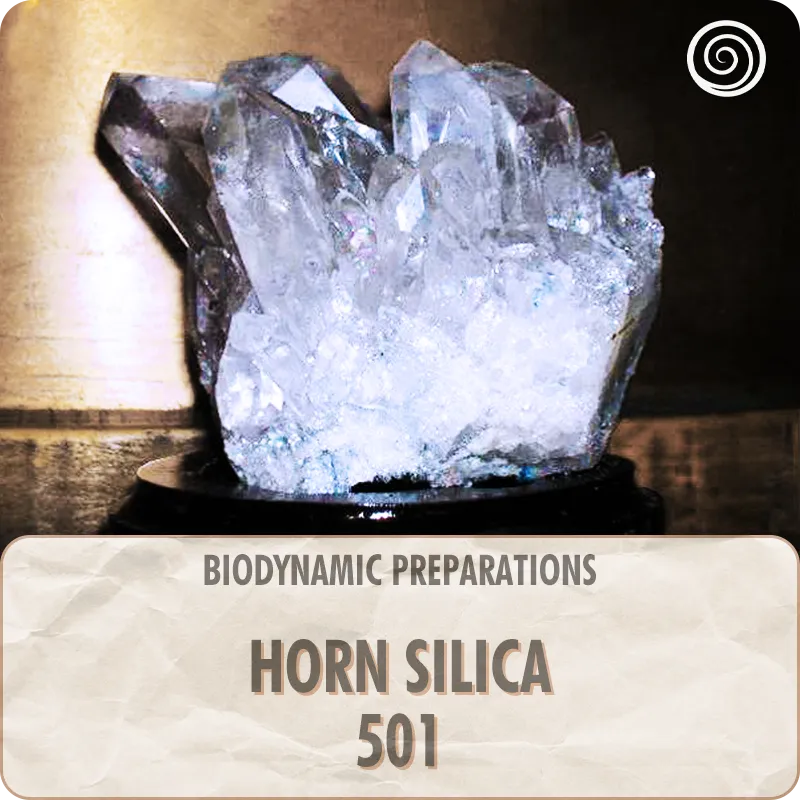
Before I had properly recovered from this subterranean assembly of bovine architecture came the matter of quartz crystals.These, Marta explained, are smashed, apparently because within biodynamic practice they are believed to enhance photosynthesis.Thus the vineyard revealed itself to be a place in which the vine was not left merely to the attentions of sun, rain and soil, but surrounded by a curious company of horns, crystals, rivers and mountains.One might reasonably suppose that the vineyard had become a laboratory. Or a temple. Or, depending upon one’s temperament, both.Naturally, having been presented with these extraordinary practices, I asked the question which seemed inevitable:
What does Biodynamics get wrong?
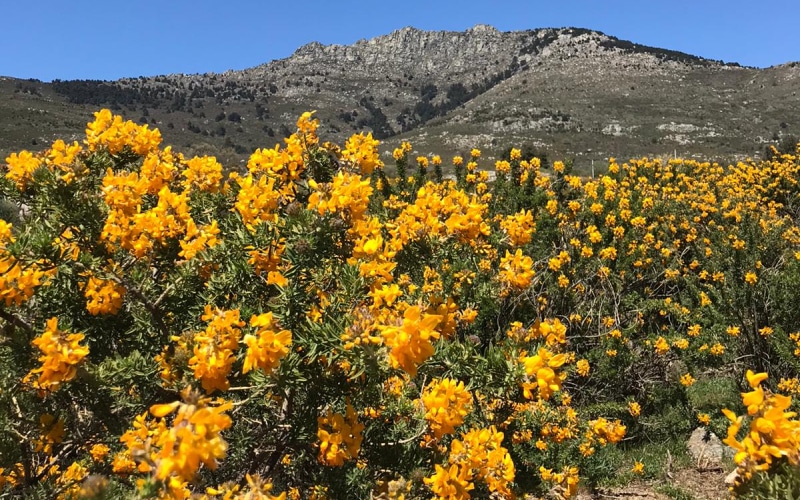
Marta’s answer was not an attack upon biodynamics so much as an observation about the way in which it is perceived. She explained that, particularly in Spain, there exists a misconception that biodynamic winemakers are witches, or that their practices belong somehow to the occult. It is easy, after all, to ridicule what one does not understand. Tell a man that you have buried twelve hundred cow horns in the earth and he may reasonably wonder whether he has entered a vineyard or stumbled upon the rehearsal of some rural ceremony whose purpose was never disclosed to the public. But Marta also referred to another difficulty: the existence of aspects of biodynamics which remain unexplained or insufficiently understood. And then came a detail which, for reasons I cannot adequately explain, stayed with me more than the cow horns. The wild flowers, she said, were all yellow. All of them. It is one thing to tell a man that biodynamics seeks harmony between the vineyard and the natural world. It is quite another to tell him that the natural world has apparently reached an agreement concerning colour. I found myself wondering whether the flowers had been consulted.
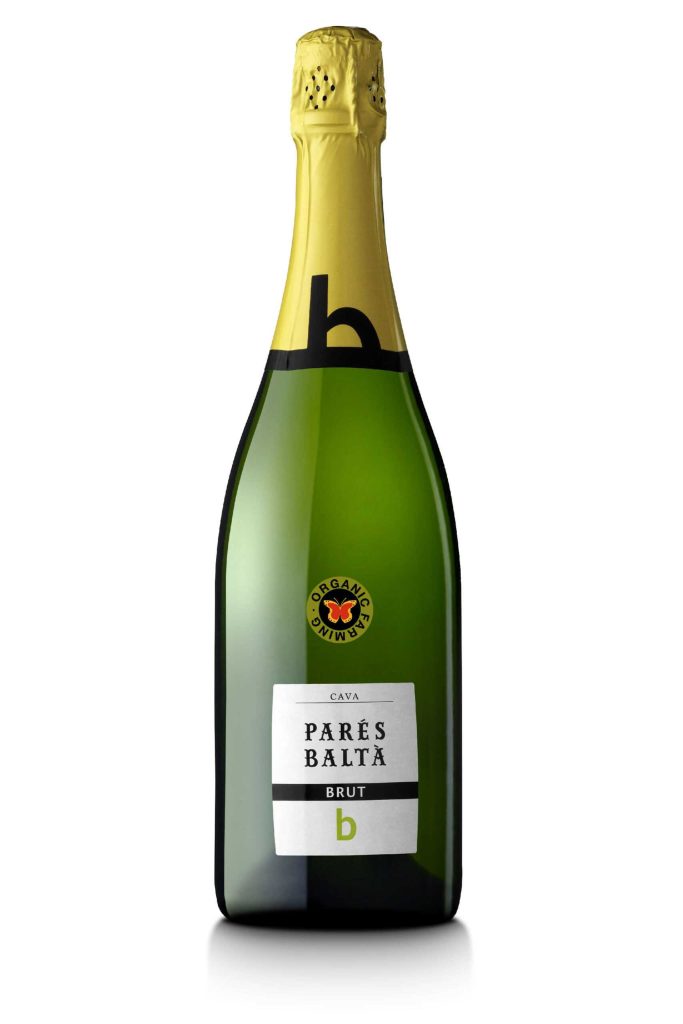
Return to Cava.
I asked Marta what, in her view, was the principal problem with Cava.Her answer was straightforward: it is too loosely regulated. Her concern was that Cava can be made in different parts of Spain and from whichever grape varieties a producer chooses within the permitted framework, and that the category, in her view, would benefit from greater regulation and a stronger definition of what Cava should represent. This seemed to me a reasonable complaint, for every great wine category must eventually confront the question of identity. A name must mean something. Otherwise the name becomes little more than a coat which may be worn by anyone who happens to find it hanging upon a peg.
r
Marta Delfa
Parés Baltà Wines.
The wine I wasn’t expecting.
The white Carignan that really had no business being there.
Of all the wines Marta presented that afternoon, it was not the most famous, fashionable or expensive that stayed with me, but a white Carignan. The choice seemed almost mischievous: Carignan is a grape more commonly associated with deep-coloured, robust red wines, Mediterranean heat, difficult soils and old vines. Yet here it was, pale in the glass, quietly defying expectation. It reminded me that wine has a peculiar habit of rewarding expectation with disappointment and ignorance with discovery. We arrive armed with familiar names and established preferences, only for some obscure bottle to appear and rearrange our assumptions. The pleasure was not simply its rarity—rarity alone proves very little—but the character that accompanied it. It felt like an archaeological discovery disguised as a glass of wine: a grape stepping outside the role wine history had assigned to it and revealing how much possibility remains hidden within varieties we think we already know. Perhaps that is one of wine’s greatest pleasures: not being impressed, but being surprised. At tastings, the accumulation of appellations, vintages, soils, elevations and winemaking techniques can turn wine into an examination, where remembering the answers becomes more important than enjoying the questions. The white Carignan required none of that. It simply appeared, and for a moment everything else became secondary. The experience reminded me why obscure wines are worth seeking out: beyond the famous vineyards and well-trodden paths are forgotten varieties, unusual parcels, eccentric vineyards and stubborn ideas waiting to be discovered. Their stories may not yet be polished into reputations or translated into prices, but occasionally they offer something more valuable—discovery. On that afternoon, discovery came in a colour I had not expected from a grape I thought I knew: white Carignan, a small rebellion in a glass.
Parés Baltà may cultivate vines in the soil of the Penedès, but its wines, like all wines worth remembering, seem to grow another crop altogether: stories.
And stories, unlike grapes, have no harvest season..