

For many European drinkers, the U.S. remains one of the least explored fine wine countries. Our role is to bridge that gap — thoughtfully, tastefully, and without hype.
Emerging U.S. wine regions explained.
America’s fine wine narrative has long been dominated by California — particularly Napa and Sonoma. But over the last decade, a new wave of regions has emerged, offering wines of character, terroir, rarity and value. For European buyers, collectors, and wine programs, these areas represent both opportunity and discovery: styles that complement classic European references while bringing fresh perspective to the glass.
Why emerging regions matter.
Emerging regions offer three key advantages.
differentiation.
They provide wines that aren’t already on every list, avoiding the cliché Napa Cab or mass-market Pinot.
VALUE & RARITY
Bottlings from these areas often have:
limited production
strong winemaker ownership
minimal distribution in Europe
fair pricing vs prestige competitors.
STORY & IDENTITY
Collectors and enthusiasts increasingly want wines with:
provenance
sustainability
sense of place
personal narrative
These regions deliver that unusually well.
The Regions.
Catering to a sophisticated audience.
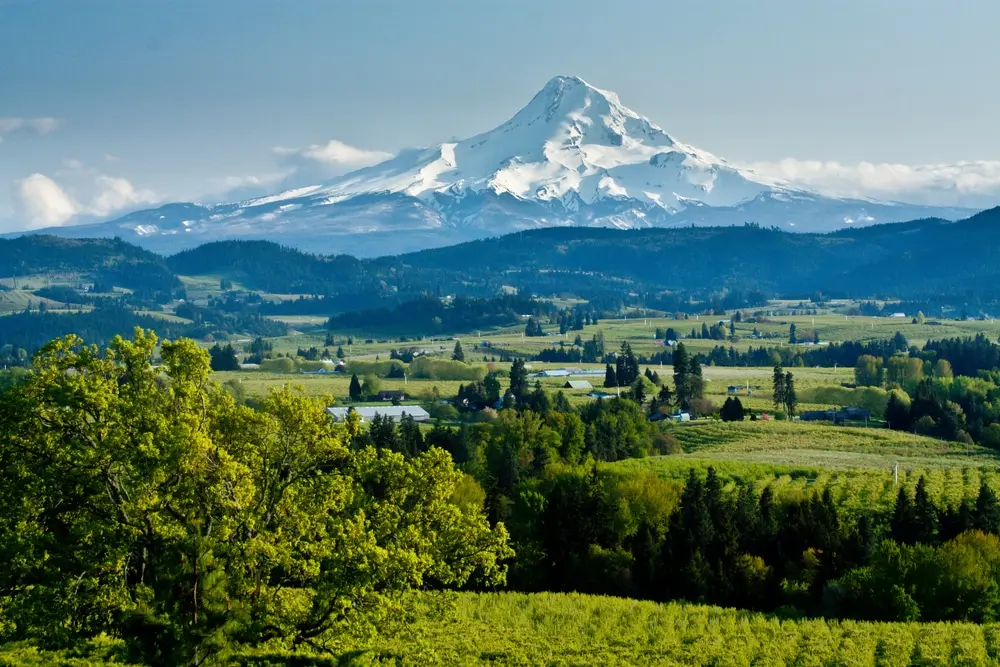
Oregon — Beyond Pinot Noir.
Oregon is moving from “That Burgundy-like Pinot state” to a more diversified fine wine region.
Today the conversation includes:
Chardonnay (increasingly world-class)
Gamay (fresh, mineral, Loire-adjacent)
Riesling (cerebral, age-worthy)
Tempranillo (especially in the south)
Client Fit:
✔ collectors seeking nuance over power
✔ sommeliers building terroir-forward programs
✔ restaurants looking for food flexibility
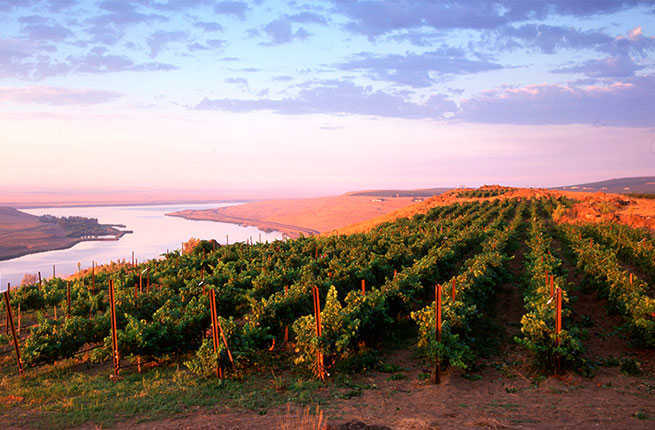
Washington State — Power with Precision.
Historically seen as value Napa, Washington now commands its own fine wine identity through:
complex Syrah
structured Cabernet
Rhône blends
Bordeaux blends with restraint
Key subregions like Walla Walla have cultish followings domestically but remain underrepresented abroad.
Client Fit:
✔ consumers who enjoy Napa but want refinement
✔ investment-grade possibilities (select producers)
✔ chef-driven restaurants
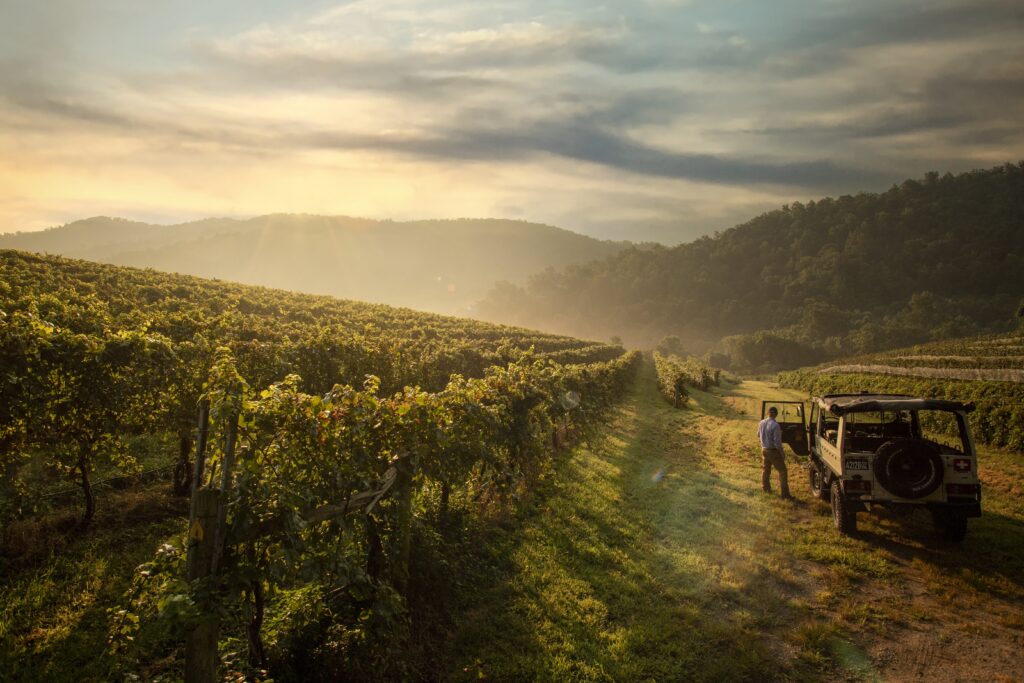
Virginia — European Echoes.
Virginia occupies an intriguing stylistic space between Old World restraint and New World clarity. Highlights include:
Cabernet Franc
Viognier
Petit Manseng
Nebbiolo (still experimental but promising)
Client Fit:
✔ wine intellectuals / story-driven buyers
✔ collectors of rare regionality
✔ educators and tasting groups
Texas Hill Country — Serious Wines from a Non-Obvious Place.
Texas is further behind stylistically but advancing quickly. The best wines tend to involve:
Mediterranean varieties (Mourvèdre, Tempranillo, Roussanne, Tannat)
Climate-adapted grapes
Minimal oak and good tension
Client Fit:
✔ adventurous palates
✔ “off-map” collectors
✔ niche wine bars
Santa Ynez — California’s Quiet Terroir Star.
Chardonnay with precision
Pinot noir with dimension
Syrah (arguably best in the U.S. today)
GSM blends
Client Fit:
✔ Burgundy + Rhône crossover collectors
✔ sommeliers seeking elegance and tension
✔ buyers bored of prestige California pricing.
cool climate potential.
Michigan & New York (Finger Lakes)
Think of these areas as part of the Northern European parallel. Best expressions include:
Riesling
Cabernet Franc
Sparkling wines
Client Fit:
✔ wine educators
✔ gastronomy-forward venues
✔ Riesling loyalists
#
Region
Style
Why it Matters
1
Napa Valley, CA
Cabernet Sauvignon, Merlot, Chardonnay
Iconic, full-bodied, cellar-worthy; reference point for exploring U.S. wines.
2
Sonoma County, CA
Pinot Noir, Chardonnay, Zinfandel
Elegant, diverse; coastal influence gives finesse and balance.
3
Santa Barbara County, CA
Pinot Noir, Chardonnay, Syrah
Cooler climate elegance; wines with tension, minerality, and food-friendliness.
4
Oregon – Willamette Valley
Pinot Noir, Chardonnay, Gamay
Burgundian precision in a New World context; delicate, nuanced wines.
5
Washington – Walla Walla & Columbia Valley
Cabernet Sauvignon, Syrah, Bordeaux & Rhône blends
Structured, refined, increasingly collectible; ideal for European palates seeking depth.
6
Virginia
Cabernet Franc, Viognier, Petit Manseng
Old World elegance meets New World freshness; perfect for adventurous palates.
7
Texas Hill Country
Tempranillo, Mourvèdre, Roussanne
Unique terroir, warm climate styles; emerging producers with personality.
8
Finger Lakes, NY
Riesling, Cabernet Franc, sparkling
Cool climate precision; wines with tension and clarity, excellent for pairing with European cuisine.