
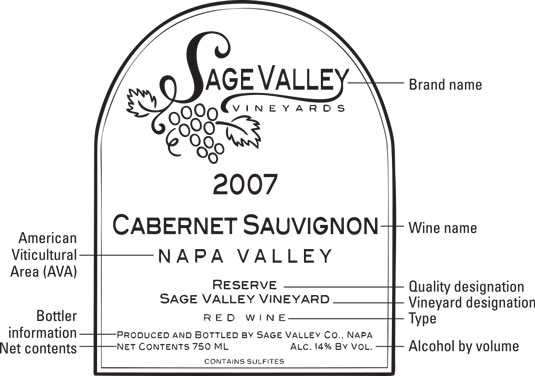
American wine buying guide for Europe.
For many European buyers, American wine is still unfamiliar territory. Beyond Napa and Sonoma lies a diverse landscape of regions, producers, and styles — many of which rarely reach international shelves. This guide is designed to help European consumers, collectors, and trade professionals understand how to identify, evaluate, and source quality American wines with confidence.
Although there is strong growth, especially for:
Oregon Pinot Noir.
California cool-climate Chardonnay.
High-end Napa Cab in luxury restaurants.
There are so many emerging wine regions offering exceptional valley for money both in the United States and Canada.
Why American Wine is Still Underrepresented in Europe.
American wine isn’t underrepresented because it’s inferior. It’s because:
Europe already has too much wine, too much history, and too little economic incentive to import more.
Challenges that shape the market:
Limited imports vs domestic U.S. demand.
Higher logistics and regulatory friction.
Perception bias toward Old World benchmarks.
Lack of consumer education.
Boutique producers with very small allocations.
However :
This inefficiency creates space for:
Discovery wines.
Differentiated lists.
Unique tastings.
Storytelling.
Undervalued quality.
Style & Flavour Reference Points.
Examples:
Oregon Pinot Noir → Burgundy-adjacent elegance
Washington Syrah → Northern Rhône structure + depth
Santa Barbara Chardonnay → Meursault-style precision (without excess oak)
Virginia Cabernet Franc → Loire echoes
Texas Mourvèdre → Bandol sensibility (early days)
Finger Lakes Riesling → Mosel-inspired transparency.
Why Explore American Wine?
American wine isn’t just about big Napa Cabernets. Exploring beyond the obvious allows you to:
Find unique, under-the-radar wines not widely available in Europe.
Experience new styles and flavour profiles that complement European favourites.
Enjoy wines with stories, heritage, and terroir.
Discover boutique producers and limited releases.
By learning where to look and what to expect, you can confidently select wines that are both exciting and accessible.
Producer Type Distinction.
U.S. wine producers range from large, vertically integrated wineries that prioritize volume, distribution, and brand consistency to small, boutique estates focused on terroir expression, limited production, and direct-to-consumer sales. In between sits a growing tier of craft and artisanal producers—often experimental, sustainability-minded, and region-driven—pushing stylistic diversity and elevating overall quality.
Boutique Fine Wine Estates
Low production.
Single vineyard bottlings.
Cellar-worthy.
Experimental / Minimal Intervention
Natural-leaning.
Site-specific.
Millennial sommelier appeal.
Heritage / Classic Houses
Reliable anchors for lists.
Consistent vintages.
Good educational material.
Emerging Winemakers
Storytelling potential.
Often best value.
Low European visibility.
TRADE AND COLLECTORS.
Pricing & allocation realities.
American pricing is influenced by:
Domestic market strength.
Limited production.
Direct-to-consumer sales.
Mailing lists (Napa + Oregon + Sonoma)
Investment speculation (small portion of the market)
Lack of export incentives for small estates.
TRADE AND COLLECTORS.
Provenance & Authenticity.
U.S. wines rarely counterfeit
Provenance issues arise when trading across private cellars, not estates.
Direct sourcing via producer = safest.
Taste Profile & How to Buy American Wines in Europe.
This guide is designed to help you explore and enjoy American wines with confidence. With thoughtful sourcing, approachable tasting notes, and clear guidance, discovering American wines becomes simple, exciting, and memorable.
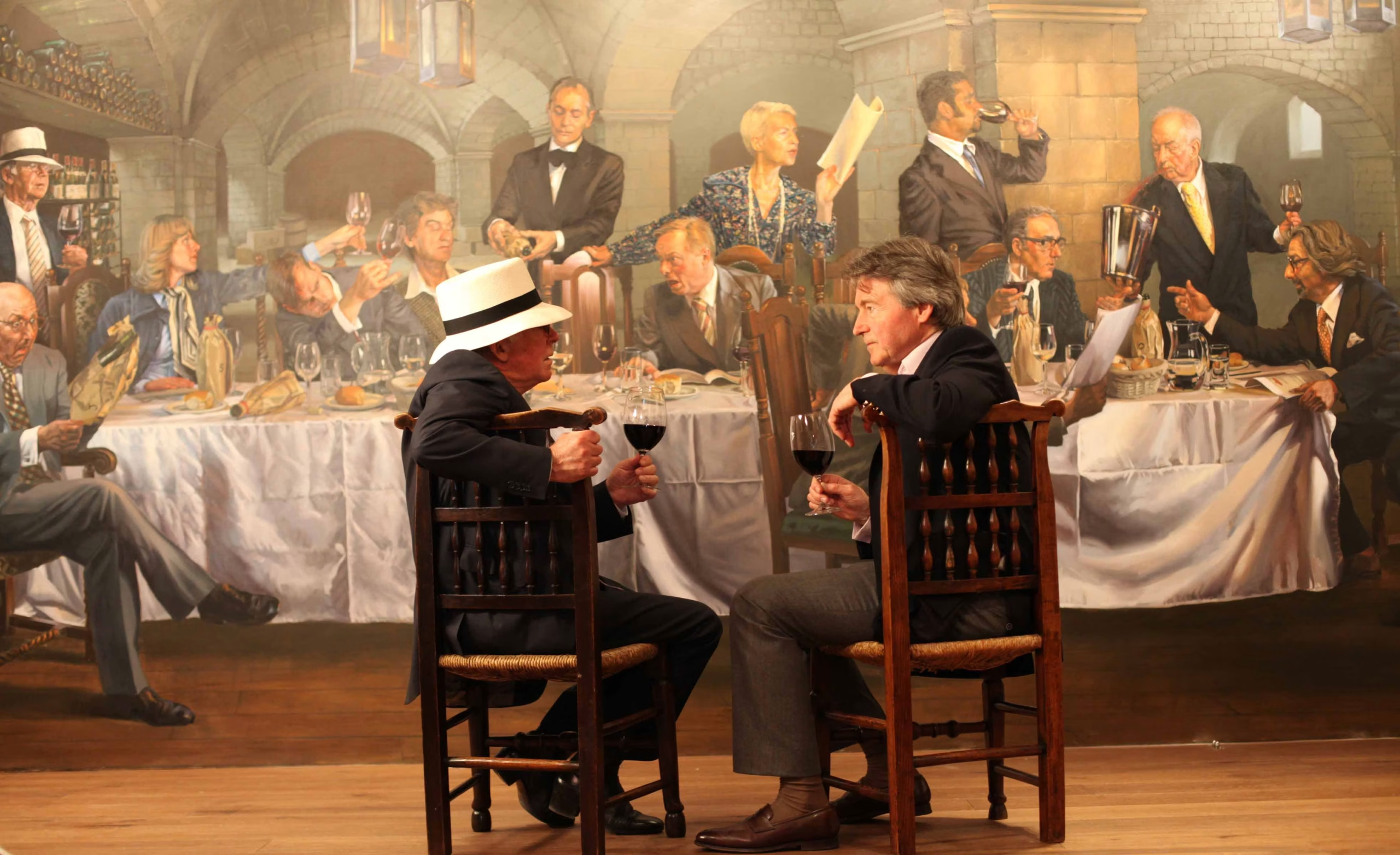
TASTE PROFILE.
American wines are versatile and pair beautifully with European cuisines:
Oregon Pinot Noir → roasted duck, mushrooms, or earthy cheeses.
Washington Syrah → lamb, grilled vegetables, or hearty pasta.
Finger Lakes Riesling → seafood, Asian dishes, and soft cheeses.
Santa Barbara Chardonnay → shellfish, chicken, or creamy sauces.
HOW TO BUY.
Through existing importers.
Direct producer contact (often complex)
Private allocations.
Sourcing via consultants (me)
Tasting events & clubs.
Luxury e-commerce (rare)
CONNECT AND EXPLORE.
If you’d like personalised recommendations, help curating your cellar, or guidance on tasting and sourcing American wines, I invite you to [get in touch]. Together, we can uncover wines that delight your palate and elevate your wine experience.